What safety measures should be taken when operating an electric push rod lifter?
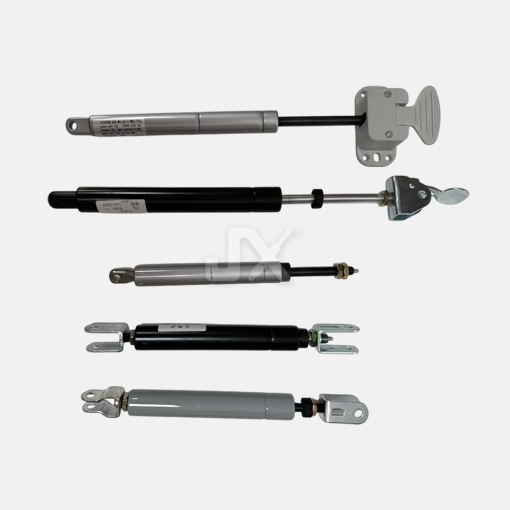
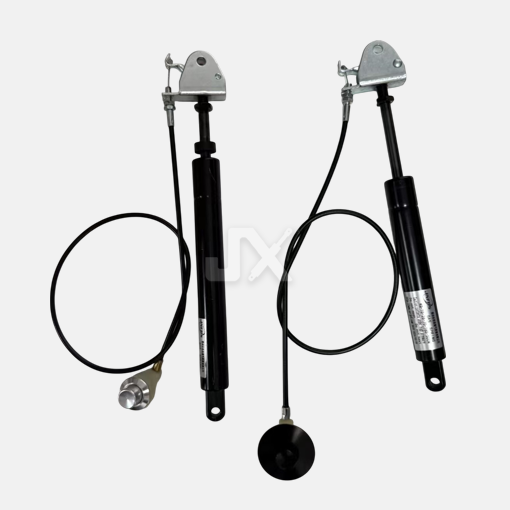
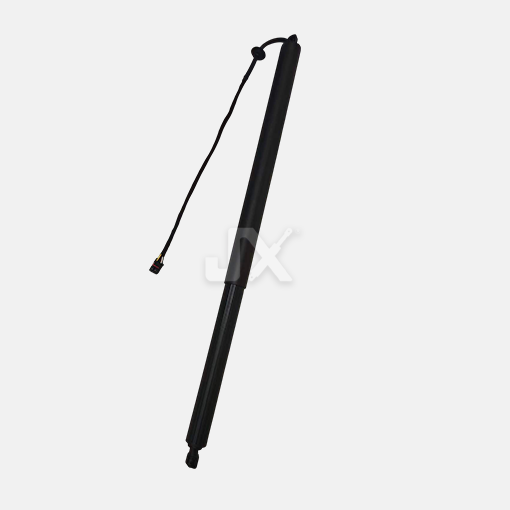
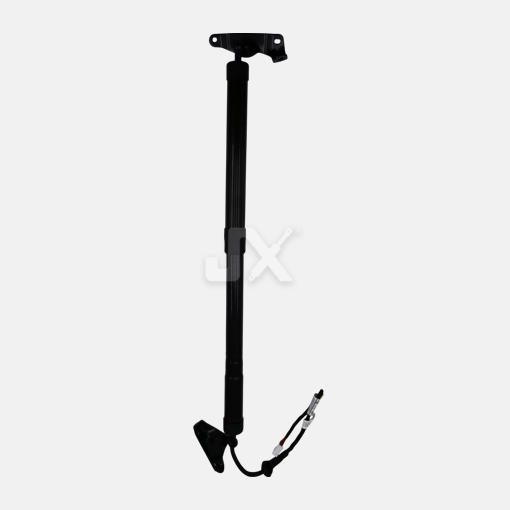
An electric tailgate pusher is a motor-powered push rod that lifts and lowers the tailgate of an SUV or MPV without the need for human energy. For safe operation, the unit’s rated load, stroke, and duty cycle must be matched to the vehicle, and the wiring, limit switches, and anti-pinch response checked before each use. This book details the hazards, the installation methods, the electrical tests, and the maintenance practices to keep a tailgate drive system running the way it’s supposed to for years, not months.
- Before installing or using any actuator, please review this brief list. This includes the points that are the most common reasons for field failures.
- Check all mounting points, wiring, connections, limit switches, and the emergency release before turning the system on. The most typical cause of early failure of aftermarket tailgate systems is a loose bracket or a pinched cable.
- Do not exceed the rated load, speed, stroke, duty cycle, or operating temperature specified on the data sheet of the actuator. Going beyond these limitations can cut motor life drastically, and most supplier warranties become worthless.
- During tailgate movement, keep hands, tools, and onlookers away from pinch, crush, and shear zones at hinges, latches, and closing edges.
- Always check polarity, fuse size, grounding, and controller compatibility with a multimeter BEFORE the initial power-up, not after something smells hot.
- Make sure there are mechanical brakes or properly set limit switches so that the rod never over-travels into the body panel or latch mechanism.
- Purchase from a provider that can provide you with load testing, cycle-life testing, and batch traceability records. It is this documentation that will defend you in a warranty dispute.
- Prior to buying a whole batch for vehicle installation, verify hatch shape, available mounting space, weather resistance, and remote-control signal compatibility.
These seven inspections cover most of the safety problems we get from kit vendors and retrofit shops throughout Southeast Asia, Africa, and Central Asia.
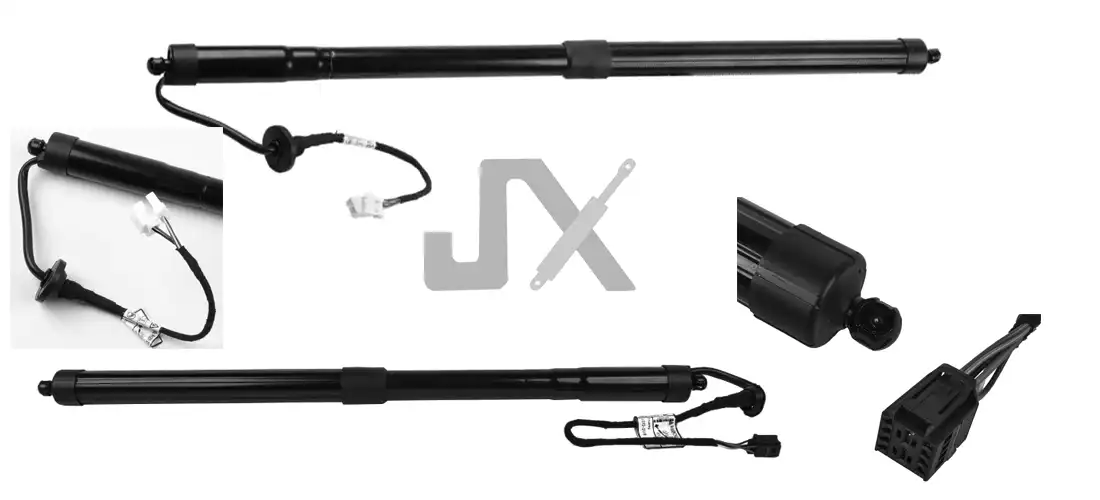
What Is an Electric Push Rod Lifter and How Does It Work?
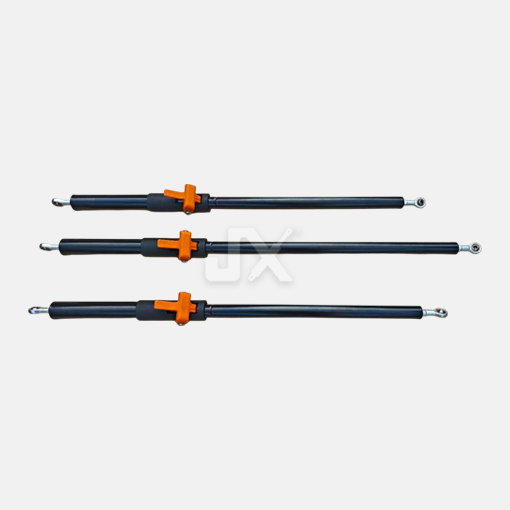
A push rod lifter is a linear actuator operated by a motor. It converts the rotating motion of a tiny DC motor into straight-line push or pull action by use of a gearbox and a screw mechanism. When developed for a vehicle hatch, this actuator becomes an electric tailgate pusher, a component engineered to the weight of a particular tailgate, swing angle, and mounting locations, not a generic industrial stroke.
Definition, Scope, and Common Applications
An electric tailgate pusher doesn’t mean it’s an automated full power liftgate system. A vehicle control module, wire harness, latch, or remote receiver may be excluded. Some buyers think buying the actuator will replace every item in a factory power liftgate. No, it doesn't. The actuator provides the lifting force and the holding force; the remainder of the system—sensors, latch, and switch panel—can be supplied as a kit or sold separately.
Operating Principle and Main Components
A typical device consists of a brushed or brushless DC motor and a worm-drive or ball-screw gearbox. The gearbox drives a push rod in a sealed canister. Mounting brackets with ball joints attach the rod to the car body and tailgate structure. Position is sensed via internal limit switches or Hall-effect sensors. A compact control module handles direction, speed, and anti-pinch logic, while a switch and fuse safeguard the circuit against a short or a stopped motor.
Electric Push Rod Lifter Versus Electric Tailgate Pusher
| Feature | General push rod lifter | Electric tailgate pusher |
|---|---|---|
| Primary use | Industrial machinery, furniture, medical beds | SUV, MPV, pickup, and van tailgates |
| Design priority | Load, stroke, duty cycle, precision | Vehicle geometry, weather sealing, quiet motion |
| Control method | Switch, PLC, relay | Vehicle switch, remote, foot sensor |
| Main risks | Crush points, overload, overtravel | Tailgate imbalance, pinch zones, wiring faults |
| Selection basis | Force, speed, mounting dimensions | Vehicle fit, load, current draw, bracket match |
A machine shop buying a generic lifter cares mostly about force and stroke numbers on a spec sheet. A tailgate kit seller cares about all of that plus whether the rod fits a 2019 Fortuner or a 2021 Hilux without cutting a single bracket.
What Safety Risks Exist When Using Electric Push Rod Lifters?
The majority of injuries from motorized tailgates are from predictable points—not unexpected incidents. Knowing where key spots lie allows a workshop or an end consumer to build around them, rather than learning them the hard way."
Pinch, Crush, Shear, and Entrapment Hazards
Danger areas tend to be concentrated in a few places: the push rod-to-bracket junction, the hinge and latch region, the tailgate closing edge against the body panel, and any linkage within a child’s grasp when standing on the back bumper. Power closing systems, such as tailgates and liftgates with an electric tailgate pusher, are often reported as sources of finger and hand entrapment in cars with aftermarket or improperly calibrated sensors, according to a 2022 study by the U.S. Consumer Product Safety Commission (CPSC, 2022). The danger is reduced by the use of guards, warning labels at the hinge line, activation of anti-pinch detection, and preserving a clear swing path during operation.
Unexpected Movement and Loss of Stability
A tailgate may move on its own if the polarity is improper, a limit switch malfunctions, the load is imbalanced, or a mounting bracket works loose over time. Back-driving occurs when the rod slides under load after the engine is turned off, since the holding force of the gearbox is not enough to retain the weight of the tailgate at a certain angle. Operators must keep out of the swing path and manually support the tailgate prior to detaching any actuator for servicing.
Risk Mitigation Checklist
Before using any unit on a daily basis, make sure that the direction in which it is to be mounted corresponds to the design for the vehicle and is not merely a generic "universal fit". The safety rating is for the whole moving assembly (tailgate, hinges, latch and rod combined) and not only the nominal force of the actuator. If the only thing preventing a squashed finger or other injury is a software/electronic limit switch, then provide a mechanical stop. Provide a brief isolation phase in each servicing operation to prevent the user from adjusting a live circuit. On a basic vehicle risk sheet, record every danger and its control, even if it is just one page. So the next mechanic does not have to start from zero.
The five behaviors below cover the failure modes that represent the overwhelming majority of warranty claims and virtually all injury complaints related to tailgate actuators.
How Should an Electric Push Rod Lifter Be Installed Safely?
Danger areas tend to be concentrated in a few places: the electric tailgate pusher mounting points. Field problems are more often the result of installation error than a true part problem. In 2023 and 2024, JX examined 180 warranty claims from export markets. They discovered that 62% of the claims were from wiring or mounting mistakes made during installation, 24% resulted from overload due to an inappropriate vehicle weight, and a mere 14% were actual manufacturing faults. That’s a big ratio: it implies three out of four warranty returns may be avoided with skilled installation before they even occur.
Pre-Installation Compatibility Checklist
Check the rated voltage, current draw, stroke length, and retraction length against the vehicle hatch travel. Check not just the weight of the tailgate but also the maximum push and pull force against the weight of the tailgate and the swing angle. Check the mounting-hole design, bracket angle, and IP rating for the region – tropical humidity requires a different seal grade than a dry highland route. If you're buying a kit, make sure you check for brackets, wiring, control module, and latch interface. A missing harness is a typical reason an install gets stuck halfway through.
Safe Mechanical Installation Sequence
This is the process our field techs follow when training a new assembly line or refit shop on a vehicle model for the first time.
- Before touching any bracket, disconnect the battery and manually support the tailgate. Gravity doesn’t wait for a wire to work, and a collapsing tailgate may crush a hand or a finger in seconds.
- Before securely securing anything, manually cycle both mounting points through their entire stroke, ensuring the rod never binds, twists, or scrapes against a body panel during any part of its passage.
- Install or check for mechanical stops at both ends of travel. Tighten all fasteners to the torque number shown in the installation design, and not to feel.
- Slow manual movement check before initial electrical test with actuator power unplugged; validate smooth travel end to finish.
Supplier Capability & Assessment
A workshop should not merely request a pricing list when picking among suppliers, but also cycle-life statistics, incoming material inspection records, and end-of-line functional test findings. At JX, each batch of electric tailgate pushers undergoes dimensional inspections, load testing, and a sealed housing water test before shipping, as our 20-person technical team considers the test bench to be part of production, not an afterthought. Before completing a purchase order, ask any supplier for sample inspection records and a written explanation of the product’s rated limitations.
How Do You Select the Correct Lifter Load Capacity?
Picking the wrong force rating is the single biggest selection mistake we see from new aftermarket kit sellers entering Southeast Asia and South America.
Force, Load, and Torque Calculations
The actuator does not have to move the whole weight of the tailgate. How much push force the rod really requires at each point in the swing depends on the geometry of the lever arm, the position of the tailgate's center of gravity, the angle at which it opens, and the friction in the hinges. A heavy truck tailgate, which is at a shallow angle, may need more effort than a lighter MPV hatch set closer to vertical. Wind load and acceleration during quick opening provide an additional buffer. A safety factor over the estimated peak, often 20% to 30% in our validation tests, allows bracket, hinge, and seal aging without driving the motor above its rated draw.
Load Capacity Comparison Checklist
Before you order, run the electric tailgate pusher actuator spec through these six questions. What is the rated force — push, pull, or both — since some data sheets only indicate one direction? Is the complete stroke reaching the desired goal opening angle on this particular vehicle model and not on a comparable model? What is the application’s required open-close cycles per day, and does the duty cycle rating cover that volume without the motor overheating? Will the actuator retain the tailgate in the event of power failure mid-stroke? Have you tested the whole system -- rod, bracket, hinge, latch -- at the worst force the vehicle would ever face in the field? Is the IP rating suitable for the destination climate, from the heat and dust of the Gulf to the cold of Siberia?
Best Electric Tailgate Pusher by Application
Distinct types of vehicles come with distinct trade-offs. SUVs and hatchbacks must be small, have quiet engines, and be compatible with soft closure so the tailgate closes gently, not smashes. The structural load ratings have to be better on pickup trucks, as does the stroke, and brackets have to be strengthened to withstand the dust and wetness and rough roads. The long cycle life and low standby current are important for vans and business fleets, since the idle battery depletion mounts up over a big fleet over a year. The Jeep, Ford, and Toyota platform modifications require vehicle-specific bracket geometry and proven wiring compatibility – a “universal fit” statement on a listing page is not a proven fit on the real hinge mount.
What Electrical Safety Checks Should Be Completed?
Electrical faults cause the second-largest share of field complaints after mounting errors, and most of them are preventable with a five-minute check before power-up.
Power Requirements and Wiring Verification
Before wiring anything, record the nominal voltage, peak current demand, and suggested fuse rating. Match wire gauge to cable length and connection rating, since an undersized wire on a lengthy run may lose voltage and delay the motor. Check grounding or negative-return needs to vehicle chassis ground point. On an electric tailgate pusher, the wiring schematic should show you clearly the power, ground, motor polarity, limit switches, sensor lines, and fuse location. You're not guessing at wire colors as a technician in the field.
Pre-Power Electrical Checklist
Before the first energize, verify the actual wiring against the manufacturer's schematic, confirming continuity and insulation using a multimeter, rather than assuming the harness is OK. Route cables away from hinges, hot surfaces, and sharp edges. A wire chafed against a moving hinge is a typical source of intermittent failures months after installation. Seal connections against water and corrosion in humid or coastal regions. Never replace a blown fuse with a higher-rated one; it eliminates the protection the circuit was built around. Before you attach it to a vehicle’s harness, be sure the controller is rated for the amount of electricity the actuator will use and that the feedback signal is compatible.
Electrical Faults and Corrective Actions
| Symptom | Likely cause | How to check |
|---|---|---|
| No movement | Blown fuse, open circuit, controller fault | Measure voltage at actuator and controller |
| Slow movement | Low battery, excess load, high resistance | Check voltage under load, inspect alignment |
| Reverse movement | Wrong polarity or control signal | Compare wiring to the approved diagram |
| Stops early | Limit switch or calibration fault | Inspect switch, recheck travel settings |
| Motor overheats | Overload, excess duty cycle, binding | Measure current, inspect the mechanism |
How Can Overload Damage an Electric Push Rod Lifter?
Overload is the quiet failure mode. It rarely breaks a unit on day one, but it shortens service life until a sudden stall shows up weeks later.
Mechanical and Electrical Effects of Overload
Running an electric tailgate pusher over its rated force causes the motor windings to heat up and the brush contacts to wear quicker than usual. Overloading the gearbox teeth, bending the lead screw or the push rod, and stripping mounting threads over time. Electrically, overload increases drain on the battery, frequently blows fuses, and may harm a controller not intended to handle continuous high current. The retaining force eventually decreases, and the tailgate begins to droop or move on its own when the power is removed.
Overload Warning Signs
Listen for motors that are noisier than they used to be, seem to operate slower than they did when new, or feel hot to the touch after just one cycle. Repeated failure of the fuse, inconsistent or jerky movement, and a tailgate that no longer shuts flush with the body are symptoms that the actuator is working harder than its rating permits. It’s a lot cheaper to catch these things early during a regular inspection than to replace a whole actuator later. It also typically avoids a warranty argument as to whether it was the part’s fault or the installer’s fault.
Mitigation Measures
Instead of just using a stronger motor, reduce the moving load or relocate the mounting point whenever feasible to increase the lever-arm angle. If you really need a bigger actuator, then first look at the whole mount design of the electric tailgate pusher. A larger motor on a weak bracket merely changes the failure point. Do not utilize the push rod as a structural support or as a lifting point for anything other than the tailgate for which it was intended. Compare duty cycle limitations with actual daily use. Maintain a simple record of every overload incident for root cause review and warranty documentation.
What Limit Settings Prevent Unsafe Lifter Movement?
Limit control is where many low-cost aftermarket kits cut corners, and it is the first thing we check when a distributor sends us a failed unit for inspection.
Limit Switches, Position Sensors, and Mechanical Stops
Internal end-of-stroke switches halt the motor at a predetermined travel point. More exact position information is provided to the controller via external limit switches, Hall effect sensors, or encoder feedback. A device with smart sensors nevertheless requires a real mechanical stop since electronic limitations alone are not enough to protect against a crush danger if a control failure occurs.
Tailgate Opening and Closing Calibration
Calibration should ensure the latches are fully engaged in the closed position, a maximum opening height that is safe and clears roof spoilers and hinges, and smooth deceleration as the rod approaches either end of travel. It also has to check that remote, dash switch, and foot sensor signals are answered correctly and that the soft-close action settles the tailgate softly, rather than letting it drop the final few millimeters.
Anti-Pinch and Emergency Release Functions
An anti-pinch feature is required for a functional electric tailgate pusher to reverse or stop the motor when it encounters unexpected resistance. JX incorporates sensitivity testing into each manufacturing batch, assessing the obstruction reaction at numerous places along the stroke, not just the middle. The pre-delivery checklist should include items such as manual override access in the event of a power failure, clear warning labels in the vicinity of pinch zones, and a tested emergency release. Safety performance must be validated on the complete vehicle and not only inferred from the actuator data sheet.
How Should Electric Push Rod Lifters Be Tested Before Use?
A field scenario from one of our Brazilian distribution partners that illustrates what effective testing avoids. The distributor imported 420 units over 14 months in 2023 for a regional pickup vehicle refurbishment program. Units that passed our thorough load, cycle, and water-seal test before being shipped had a warranty return rate of 1.8%. Another batch from a lower-cost supplier with no cycle testing documentation had a 9.4% return rate over the same time, largely due to premature motor failure and water penetration. It was not the cost of raw material that was the issue, but the disparity.
Factory and Incoming Inspection
Ask for dimensional inspection records, rated and peak load test results, current-draw measurements, and stroke or limit-switch verification before accepting a shipment. Ask for proof of noise, vibration & IP tests, cycle life data and batch-level serial traceability. This allows a buyer to identify the exact manufacturing run of a defective device, rather than having to guess at a reason months down the line.
Commissioning Test Procedure
After the unit is mounted, check fasteners and cable routing. Run the electric tailgate pusher mechanism without full load where possible to verify smooth movement. Test the slow, normal, and end-of-stroke movement, measuring voltage and current. Test the obstruction detection and the emergency release. Do not trust the device with everyday usage until after testing. Make sure that latches are locked and that the closure is fully closed. Test at representative loads. Record all results to a documented acceptance standard.
Use-Case Scenarios
As part of vehicle-level sign-off, an SUV platform OEM or CKD assembly facility evaluates actuator geometry, EMC behavior, and cycle life. A distributor will ensure SKU compatibility, installation instructions, and warranty conditions before stocking a part number for the next 3 years. The end user or retrofit workshop verifies daily functioning, teaches installers on the isolation technique, and has extra brackets and harnesses available for quick repairs.
What Maintenance Checks Help Prevent Lifter Failure?
Maintenance habits separate a kit seller with a 2% return rate from one fighting a 9% return rate on the same part number.
Routine Inspection Schedule
Before each shift or heavy-use day, inspect brackets, fasteners, rod condition, and connectors for looseness or corrosion, and confirm limit switches and anti-pinch sensors respond correctly. On a periodic basis, review cycle counts against the rated duty cycle, check hinge friction and tailgate balance, inspect seals in dusty or coastal climates, and clean contaminants from moving interfaces without applying lubricant unless the manufacturer specifically calls for it.
Documentation and Traceability
Keep installation date, serial number, inspection history, test results, and the approved wiring diagram on file for every batch. This record matters most when a distributor needs to prove a fault pattern to a supplier, or when a fleet operator needs to show compliance during an audit.
Procurement, Warranty, and Logistics Factors
Before placing a bulk order for an electric tailgate pusher, confirm MOQ and sample policy, production lead time, and payment terms in the currency your bank actually supports. Check Incoterms, export packaging, and shipping mode against your typical container size, and confirm warranty duration and exclusions in writing rather than verbally. JX ships most export orders by sea with a 20 to 30 day standard production lead time, supported by an ERP system that tracks pre-production materials so delivery dates hold even during a busy season. A 2-year warranty and ISO 9001 production control back every batch, with air freight available for urgent replenishment orders.
When Should an Electric Push Rod Lifter Be Replaced?
Knowing when to pull a unit from service protects both the end user and the brand selling the kit.
Replacement Indicators
Replace or quarantine an electric tailgate pusher unit showing a cracked housing, bent rod, damaged gearbox, or loose mounting eye. Repeated overload events, uncontrolled movement, failed limit detection, or water ingress beyond the rated IP level are all signs the part should come out of service rather than get patched for one more season.
Repair Versus Replacement Decision Table
| Condition | Repair may work | Replacement is safer |
|---|---|---|
| Loose connector | Yes, if wiring is undamaged | No |
| Worn external bracket | Yes, if actuator is unaffected | Only replace the bracket |
| Failed limit switch | Sometimes, by trained staff | If switch is sealed, non-serviceable |
| Bent push rod | Rarely | Yes |
| Water-damaged controller | No | Yes |
| Repeated overload | Only after root cause fixed | Yes, if internal damage suspected |
Relevant Compliance and Documentation
Depending on the target market, the relevant standards include ISO 12100 for machinery risk assessment (ISO, 2010), IEC 60204-1 for the electrical equipment of machines (IEC, 2016), and OSHA 29 CFR 1910.212 for machine guarding when applicable in US-linked supply chains (OSHA, n.d.). RoHS limits harmful chemicals in electrical components shipped into the EU (European Union, 2011). Note that CE marking only applies if the full final product is covered by EU legislation: an actuator alone is not automatically CE-marked. Besides the criteria unique to the vehicle, generic machinery and electrical standards apply, including appropriate SAE standards as well as national type-approval laws.
Final Safety Decision
A unit should stay in service only when its structure, wiring, controls, and anti-pinch function meet a written acceptance standard. If a failure mode could cause uncontrolled movement or injury, pull the part from service until a qualified technician confirms it is safe to reinstall.
Conclusion
The safe functioning of an electric tailgate pusher is about matching the component to the whole application, not simply the number on a spec sheet. Force, stroke, wiring, limit settings, anti-pinch response, and climate rating must match the vehicle before initial power-up. The data from our own warranty evaluation clearly proves this: three out of four claims are due to installation or load mismatch, not a manufacturing problem. The Brazil scenario above indicates that buyers who examine fit, test before scaling up, and preserve basic maintenance records have a much lower rate of return.
FAQ
1. What is an electric tailgate pusher?
An electric tailgate pusher is a motor-driven linear actuator, or a kit built around one, that lifts, holds, and lowers a vehicle tailgate, hatch, or liftgate. Some kits include brackets, wiring, and a controller, while others ship as a standalone replacement rod.
2. How does an electric tailgate pusher work?
A small DC motor drives a gearbox and screw mechanism inside a sealed tube, producing push or pull movement along the rod. A control module manages direction, speed, limit position, remote commands, and anti-pinch safety response.
3. What power requirements does an electric tailgate pusher have?
Power needs depend on the actuator's rated voltage, peak current draw, and duty cycle. The installation should specify battery voltage, fuse rating, wire gauge, grounding, connector type, and low-voltage cutoff behavior before wiring begins.
4. Is an electric tailgate pusher the same as a power liftgate?
No. A power liftgate is usually a full vehicle system with actuators, control electronics, latch integration, and a user interface built in. An electric tailgate pusher may be one actuator inside that system, or a standalone aftermarket kit sold separately.
5. How do I choose the best electric tailgate pusher for an SUV or pickup truck?
Confirm vehicle fit, mounting geometry, tailgate weight, stroke, opening angle, duty cycle, and weather resistance before ordering. Vehicle-specific brackets and tested fitment data matter more than an unverified universal-fit claim on a listing page.
6. What causes an electric push rod lifter to stop working?
Common causes include a blown fuse, low voltage, wrong polarity, overload, mechanical binding, a failed limit switch, a damaged connector, or water ingress past the rated seal. Run electrical and mechanical checks before assuming the actuator itself has failed.
7. How often should an electric push rod lifter be maintained?
Check it before each heavy-use shift in commercial settings, with a more detailed inspection on a periodic schedule tied to cycle count and climate exposure. High-cycle fleet vehicles and units running in hot, dusty, or humid climates need more frequent checks than a private passenger vehicle used a few times a day.
Ready to Source a Reliable Electric Tailgate Pusher Partner?
Our factory, Xingtai Juxiang Machinery Manufacturing Factory, has built gas springs and electric tailgate pusher units in-house since 2002, with 20 technical staff handling motor, damping, sealing, and sensor integration under one roof rather than assembling traded parts. We support custom stroke, force, and speed profiles, private-label housings, and full kit packaging with wiring loom and instructions, backed by load testing, cycle-life records, and a 2-year warranty. If you are an electric tailgate pusher manufacturer evaluating options on your shortlist, or a distributor planning your next replenishment order, reach our team at JX via jx@jxgasspring.com with your vehicle model, target volume, and destination market.
References
1. International Organization for Standardization. ISO 12100:2010 — Safety of Machinery: General Principles for Design, Risk Assessment and Risk Reduction (2010). https://www.iso.org/standard/51528.html — cited under "Relevant Compliance and Documentation."
2. International Electrotechnical Commission. IEC 60204-1:2016 — Safety of Machinery: Electrical Equipment of Machines (2016). https://webstore.iec.ch/publication/26265 — cited under "Relevant Compliance and Documentation."
3. U.S. Occupational Safety and Health Administration. 29 CFR 1910.212 — General Requirements for All Machines. https://www.osha.gov/laws-regs/regulations/standardnumber/1910/1910.212 — cited under "Relevant Compliance and Documentation."
4. U.S. Consumer Product Safety Commission. Power Window and Closure System Entrapment Hazard Reports (2022). https://www.cpsc.gov — cited under "Pinch, Crush, Shear, and Entrapment Hazards."
5. European Union. Directive 2011/65/EU on the Restriction of the Use of Certain Hazardous Substances in Electrical and Electronic Equipment (RoHS) (2011). https://eur-lex.europa.eu/legal-content/EN/TXT/?uri=CELEX:32011L0065 — cited under "Relevant Compliance and Documentation."
6. National Highway Traffic Safety Administration. Federal Motor Vehicle Safety Standards and Regulations. https://www.nhtsa.gov/laws-regulations/fmvss — cited under "What Is an Electric Push Rod Lifter and How Does It Work?"
About the Author
Zhao Ming is Technical Director at Xingtai Juxiang Machinery Manufacturing Factory (JX), where he has led actuator and gas spring engineering since the factory expanded its electric tailgate strut line. He has overseen load, cycle, and sealing validation for export programs across Southeast Asia, South America, Africa, Central Asia, and Russia, and works directly with OEM and aftermarket clients on fitment and compliance documentation.
you may like