Hydraulic Damper
Hydraulic oil damping enables uniform speed and noise reduction, preventing damage from slamming components.
Precision sealing minimizes oil leakage, maintaining stable damping performance after long-term frequent operation.
Adjustable damping force, single-way and two-way types available to match different moving mechanisms.
Various fittings available for standard cabinets and customized non-standard machinery equipment.
Custom damping force and stroke for furniture, automobiles, industrial equipment and medical devices.Minimum Order Quantity (MOQ): 50PCS
Hydraulic Damper for Cabinet Doors & Industrial Equipment — Precision Motion Control Solution
The Xingtai Juxiang hydraulic damper allows for the silent and controlled movement of industrial covers, medical equipment, cabinet doors, and seat mechanics. Our firm offers devices with output pressures between 50 and 500 N, strokes between 30 and 350 mm, and extended lengths between 160 and 800 mm. Over a working temperature range of -40°C to +80°C, these products can operate steadily and without leaks. They are constructed from QPQ-treated piston rods and seamless steel tubes. A minimum order quantity of fifty units is needed for full-scale OEM/ODM customized services. We provide professional B2B services to clients in the Middle East, Europe, Southeast Asia, and other regions of the world.
What Is a Hydraulic Damper and How Does It Work?
A hydraulic damper absorbs kinetic energy by forcing viscous hydraulic fluid through internal orifices. When doors or other connected equipment move, the piston rod compresses hydraulic fluid via the internal valve system, converting mechanical kinetic energy into thermal energy. In addition to slowing down motion and releasing mechanical tension, this resistance lessens strong, damaging impacts.
Unlike springs, which store and release energy, dampers actively absorb kinetic energy. Because it consistently delivers smooth, steady motion while providing substantial safety for both structural parts and workers, this characteristic is highly advantageous for applications in precision equipment, furniture systems, and medical devices.
Key Technical Specifications
| Parameter | Specification |
|---|---|
| Extended Length | 160 – 800 mm |
| Stroke | 30 – 350 mm |
| Force Range | 50 N – 500 N |
| Piston Rod Diameter | Ø6 / Ø8 / Ø10 mm |
| Tube Outer Diameter | Ø15 / Ø18 / Ø22 / Ø24 mm |
| End Fitting Options | Ball joint, Eye, Clevis |
| Material | Seamless steel tube + QPQ piston rod |
| Working Temperature | -40°C ~ +80°C |
| MOQ | 50 PCS |
These characteristics span a wide spectrum of B2B applications from tiny furniture hinges to larger industrial access panels. If your demand is beyond this range, engineering staff may tune stroke and force settings for nonstandard machines.
Product Advantages Worth Knowing
Stable, Uniform Damping Force: To reduce mechanical wear for mating parts, internal valve design maintains constant resistance throughout the entire stroke.
Extended High Accuracy Sealing: Suitable for automated lines and often opened cabinet doors to reduce maintenance work, sealing minimizes oil loss during frequent cycle.
The slim tube, which starts at Ø15 mm, fits into small mounting locations without requiring structural modifications, making it small and simple to install. Integration time and expense are reduced by simple assembly.
One-way damping is provided for opening or shutting, while two-way damping is available for lifting and push-pull operations to accommodate different mechanical systems.
Broad working temperature range: Hydraulic oil provides damping variance suitable for outdoor, refrigerated, or high-heat equipment by maintaining the right viscosity between -40°C and +80°C.

Application Scenarios
Hydraulic damper devices serve a range of applications.
Furniture and Cabinetry: Slide lift mechanisms, lid hinges, and soft-close cabinet doors protect against slamming damage.
Automotive & Transportation: Over time, trunk lids, glove boxes, and overhead panels continue to function reliably.
Medical Devices: Exam tables and equipment coverings need to be moved gently and steadily.
Industrial and Mechanical Equipment: Kiosk enclosures and machine access covers lessen impact stress on frames and bolts.
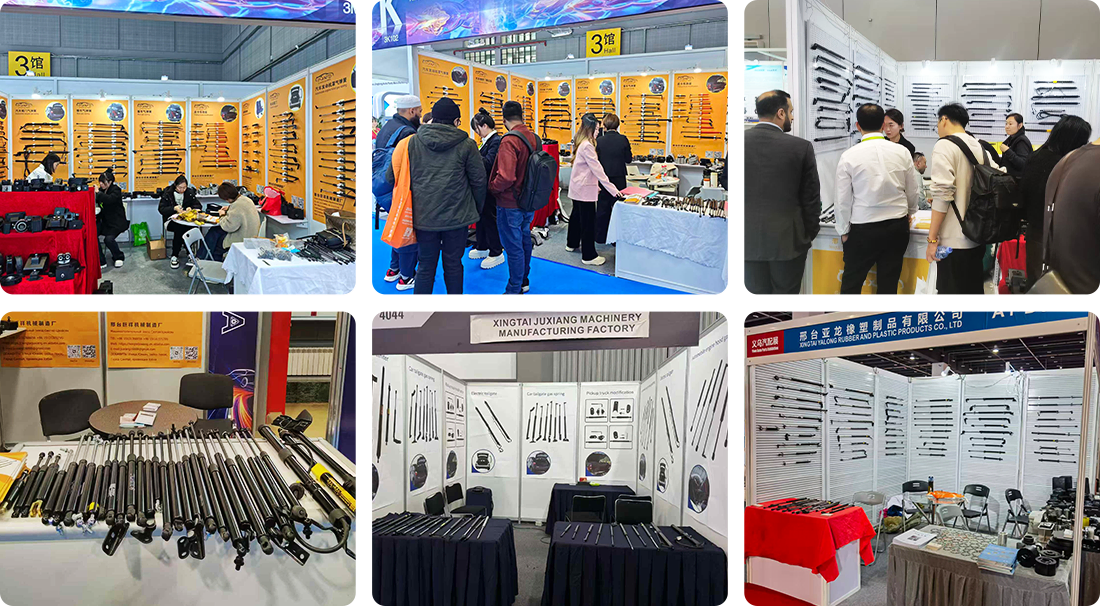
Customization and Supply Capabilities
Complete OEM/ODM customisation is supported by our engineering team. In order to meet current mechanical designs, buyers choose damping force, stroke length, end fittings, and tube diameter. Both normal and non-standard ball joint, eye, and clevis fittings are offered.
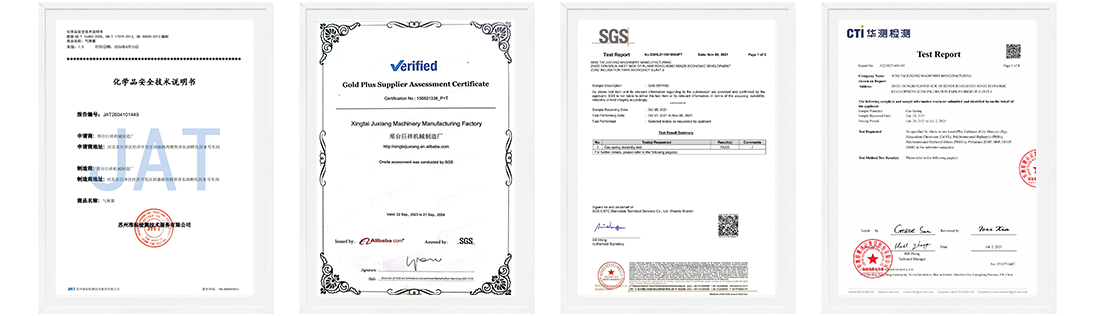

FAQ
Q1: Why does damping force drop over time?
A: Seal failure causing oil leakage or hydraulic fluid aeration are common reasons. Our sealing and fluid choices slow this process. Oil weeping and weaker resistance during cycling are warning signs.
Q2: Can damping force be adjusted after installation?
A: Some types support valve adjustment. Specify this requirement at order stage so we select proper internal valves.
Q3: What is the difference between single-way and two-way damping?
A: Single-way damping only resists movement in one direction, usually closing. Two-way damping controls speed on both push and pull strokes.
Q4: Is this damper fit for outdoor use?
A: Yes. QPQ piston rod and seamless steel tube deliver corrosion resistance for outdoor and humid environments. Share your working conditions for proper material selection.
Q5: What is the MOQ?
A: MOQ is 50 pieces per specification. Custom specs start at this quantity for prototype and mass orders.
Contact Us
Ready to source reliable hydraulic dampers for your next project? Send your specifications and requirements to jx@jxgasspring.com — the team will respond promptly.